Bassett Green Primary School
Year 4 Spanish
In our first unit, Year 4 children are learning to count to 31, to name the months of the year and recognise them in a date.
Listen to this helpful song about months:
You can join in with singing "Happy Birthday" in Spanish. Join in here: https://www.youtube.com/watch?v=oT3Qgt3QjJ4
During year 4, children will also learn words for pets, how to say what the weather is like, read and create café menus, find out about Spanish festivals and celebrations, as well as explore the Amazon Rainforest.
Celebrating Success
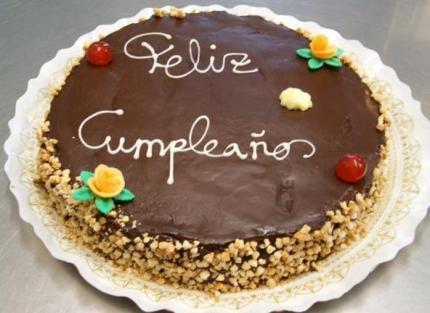
Children created a birthday cake with their age and birthday. Some children wrote the questions in Spanish "How old are you?" and "When is your birthday?" Here is their work from 2026:
Rabbits


Badgers


We learned 9 animal nouns to talk about the pets we have (or don't have). We made a mini-book to share at home. Our books are all in Spanish with fantastic artwork! Here are pictures of our lovely mini-books about animals from 2026 with lots of colour descriptions. Well done year 4!
Badgers 2026 Class


Rabbits 2026 Class


Recorded story telling
Units of work from previous years
Summer term 2023
We are completing a unit on Spanish geography and finding out about places in major cities. We are learning nouns for places in town, and adjectives to describe them. We are remembering to place the adjective after the noun in our Spanish sentences, instead of before it as in English.
We described a town in Spain - it could be Madrid, Barcelona, Santander, Valencia, La Coruña or Sevilla. It says in Spanish: "In my town there is...". We made a triarama, which turns into a triangle stand up town. Well done on some fantastic sentences Year 4!:
Foxes class


Rabbits class


Badgers class


Spanish artists
We learned shapes in Spanish and focussed on masculine and feminine nouns. We described the colour of each shape and remembered that in Spanish, the adjective goes after the noun: un/una + shape + colour.
We learned prepositions ready to understand descriptions of paintings. We played Simon Says in Spanish and acted out: up, down, left, right, in the centre - arriba, abajo, a la izquierda, a la derecha, en el centro.
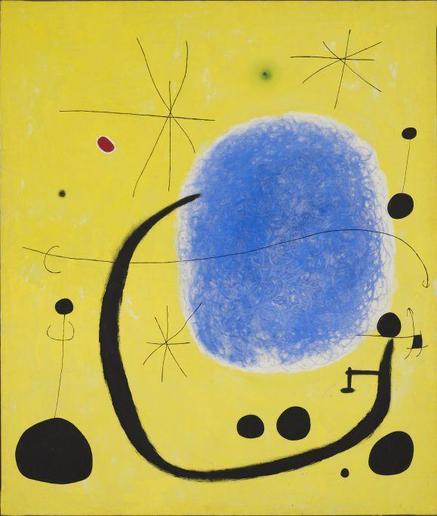
We found out about a Spanish artist and read an extended Spanish description in order to recreate a painting by Joan Miró called El oro del azur - The Gold of the Azure. The original sold for £23 million a few years ago! How much could our work be worth? What do you think of the children's efforts below? Remember, they did not see the original painting until after they had read the Spanish description and finished their own piece.
year-4-spanish


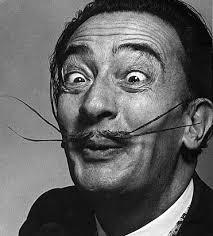
We found out about the artist Salvador Dali. We recreated an art gallery in the classroom, and a discussion of his work. We wrote a fact file about him in Spanish.
We learned about techniques in Spanish to use with colouring pencils. We created bright, colourful butterflies. Here are some examples of our work:
year-4-spanish


We used different sketching techniques to create a background image for a birthday card. We pronounced the techniques in Spanish. We added our butterfly for a surreal effect. We wrote our cards in Spanish for a friend or family member. Here are some examples from 2020, completed hurriedly before the schools were closed early. A valient effort by the children!:
year-4-spanish


Culture and food
Before the Easter break, we looked at a traditional Spanish Easter cake recipe in Spanish. We found out the ingredients and looked for Spanish instruction verbs in the dictionary. The recipe is in the powerpoint below. We were lucky enough to make it in class with our class teachers during our cultural week. Watch the video of how to make these delicious buns on YouTube: https://www.youtube.com/watch?v=-SlE7uIYftQ